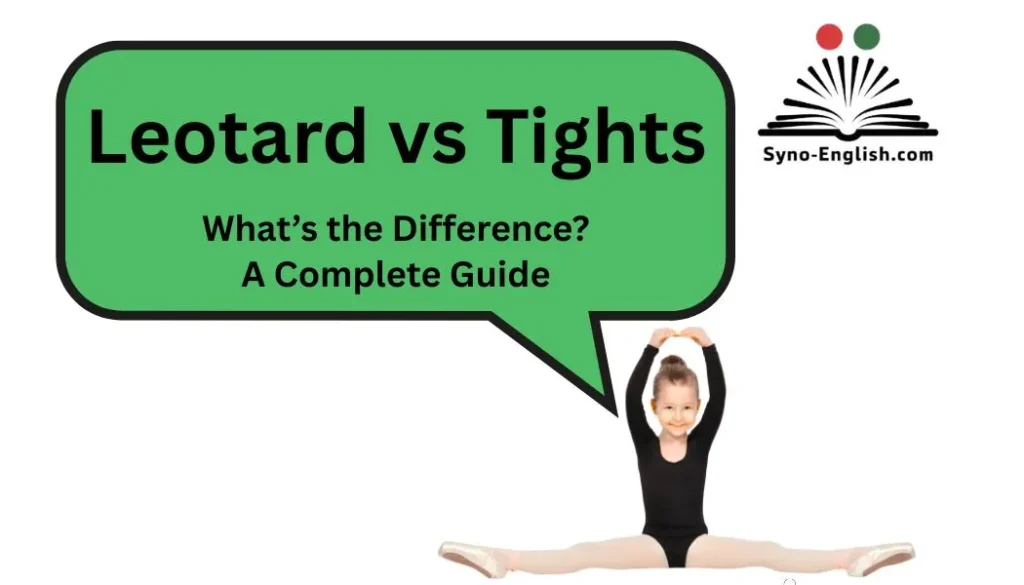
When I began my journey in dance and gymnastics, the confusion between leotards and tights was real. Both belong to activewear and performance clothing, yet they differ in design, purpose, and use. In this Leotard vs Tights comparison, a leotard stands out as a one-piece garment that fits close to the body, offering flexibility and fluid movement, while tights act like fitted leggings covering the legs. Understanding these differences is important for anyone balancing sports and fashion choices.
Over years of experience, I’ve come to explore the materials, form-fitting, and stretchy features that make both garments essential for style and performance. Whether you’re a dancer or an athlete, comfort and freedom of motion matter most. This in-depth guide will help you choose the right option for your specific need, from a routine to a competition or even a photoshoot.
Understanding Leotards
What is a Leotard?
A leotard is a one-piece, skin-tight garment that covers the torso and sometimes the arms, but leaves the legs exposed. Unlike a bodysuit or swimsuit, leotards are designed specifically for athletic and performance activities.
The leotard takes its name from Jules Léotard, a French acrobat from the 19th century, who popularized the garment as part of his performances. Over time, leotards became associated with ballet, gymnastics, circus acts, and eventually fitness fashion.
Who Uses Leotards?
Leotards are widely used in activities that require freedom of movement and body alignment visibility. This includes:
- Gymnasts – both male and female gymnasts wear leotards during training and competitions. Women’s competition leotards are often embellished with crystals and bold designs.
- Ballet dancers – leotards are worn with or without attached skirts, allowing instructors to see precise body posture.
- Cheerleaders – many cheer uniforms incorporate leotard-style tops.
- Figure skaters – skating costumes often use leotards as a base layer, sometimes combined with skirts or tights.
- Circus performers – acrobats, trapeze artists, and aerialists prefer leotards for both function and dramatic stage presence.
- Fitness enthusiasts – aerobics in the 1980s made leotards iconic in gyms worldwide.
Material and Design of Leotards
Modern leotards are usually made of:
- Spandex (Lycra/Elastane) – for stretch and flexibility.
- Cotton blends – for comfort and breathability.
- Nylon – for durability and sheen.
Leotard styles vary depending on the sport or fashion need:
- Sleeveless (tank) – common in gymnastics and dance.
- Long-sleeve – offers warmth and elegance, often seen in competitions.
- Camisole-style – thin straps, ideal for ballet practice.
- High-neck/turtleneck – provides coverage and a polished look.
- With attached skirts or tutus – primarily for ballet.
Design Features:
- Open backs for flexibility.
- High-cut leg openings to allow movement.
- Snap closures in fashion leotards (not typical in sports).
Leotards are built for performance and aesthetics – they allow unrestricted body movement while ensuring the performer looks streamlined.
Understanding Tights
What are Tights?
Tights are a type of legwear that extends from the waist down to the feet (though some are footless). Unlike stockings, tights are usually thicker, more durable, and designed for both fashion and performance use.
In performance arts, tights are often paired with leotards to complete an outfit. In fashion, they are worn under skirts, dresses, or shorts. In athletics, tights are used for muscle support, compression, and warmth.
Who Uses Tights?
Tights serve a broader audience compared to leotards. Common users include:
- Dancers – ballet dancers often wear pink or flesh-colored tights with leotards.
- Gymnasts – tights can be layered under leotards for coverage.
- Figure skaters – flesh-colored tights provide warmth and blend with the costume.
- Runners & athletes – compression tights aid circulation and muscle recovery.
- Fashion wearers – opaque black tights are staples in winter wardrobes worldwide.
Material and Design of Tights
Tights come in many variations:
- Materials:
- Nylon-spandex blends – most common, stretchy, and durable.
- Polyester blends – stronger and moisture-wicking.
- Cotton blends – breathable, but less common for performance.
- Denier (Thickness):
- Sheer tights (10–30 denier) – thin, almost transparent.
- Semi-opaque (30–50 denier) – moderate coverage.
- Opaque (50+ denier) – solid and warm.
- Types of Tights:
- Footed tights – full coverage from waist to toes.
- Footless tights – stop at the ankle (common in sports).
- Stirrup tights – loop under the arch of the foot.
- Compression tights – medical and athletic benefits.
- Control-top tights – provide shaping around the waist.
Tights are designed for leg support, coverage, and style rather than upper body movement
Leotard vs Tights in Sports and Activities
Sports Using Leotards
- Gymnastics: Competition leotards are embellished with rhinestones, sequins, and bold colors. They must meet FIG (International Gymnastics Federation) regulations.
- Ballet & Dance: Leotards help teachers see body alignment. Some have skirts attached.
- Cheerleading: Many uniforms incorporate leotard tops for secure fit during stunts.
- Figure Skating: Leotards are often paired with skirts, mesh, and embellishments for performances.
Sports Using Tights
- Ballet: Pink tights are essential in ballet schools. They provide a uniform appearance.
- Running & Athletics: Compression tights improve circulation, reduce injury risk, and keep muscles warm.
- Ice Skating: Flesh-colored tights are worn over skates for a seamless appearance.
- Yoga & Fitness: Footless tights serve as alternatives to leggings.
Benefits of Each Garment
Benefits of Leotards:
- Secure and body-hugging (won’t slip during flips or turns).
- Allows upper body flexibility.
- Aesthetic appeal for the stage and competition.
- Historically tied to performance arts.
Benefits of Tights:
- Provide leg support and warmth.
- Improve circulation (compression models).
- Versatile for both fashion and athletics.
- Offer modesty when paired with short garments.
Key Differences Between Leotards and Tights
Material and Durability
- Leotards: Designed for torso coverage, often thicker with reinforced seams.
- Tights: Focused on legs, may include reinforced toes, waistbands, or compression zones.
Differences in Design
- Leotards: One-piece garment for the torso, no leg coverage.
- Tights: Legwear that may or may not include the feet.
Flexibility and Movement Comparison
- Leotards: Provide freedom in upper body movement – essential for gymnasts, dancers, and acrobats.
- Tights: Support the lower body with compression and warmth.
In practice, dancers and athletes often wear leotards and tights together. For example, ballet dancers wear tights under their leotards to achieve both movement flexibility and leg coverage.
Practical Guide: Choosing Between Leotards and Tights
When deciding between leotards and tights, consider:
- Wear a leotard if:
- You need full torso flexibility.
- You’re performing gymnastics, ballet, or acrobatics.
- You require a secure fit during athletic performance.
- Wear tights if:
- You need leg coverage or support.
- You’re dressing for cold weather or fashion.
- You’re running, skating, or practicing yoga.
Care and Maintenance Tips
- Wash in cold water with a gentle detergent.
- Avoid fabric softeners (they break down spandex fibers).
- Air-dry to preserve elasticity.
- Store leotards flat to avoid stretching straps.
- Roll tights instead of folding to prevent snags.
Case Studies and Real-World Examples
- Ballet Schools: Ballet dancers wear pink tights with black leotards to maintain a uniform look and help teachers see alignment.
- Olympic Gymnastics: Gymnasts wear sparkling, long-sleeve leotards designed for both aesthetics and unrestricted movement.
- Runners: Elite marathoners often wear compression tights to improve blood flow and reduce fatigue.
- Figure Skaters: Skaters wear skin-toned tights over boots to create a seamless line.
Quote from Misty Copeland (American Ballet Theatre principal dancer):
“The leotard and tights aren’t just clothing – they’re tools. They let your teacher see your lines, and they let you feel free to move.”
Comparison Table – Leotards vs Tights
| Feature | Leotards | Tights |
| Coverage | Torso (sometimes arms) | Waist to feet |
| Primary Users | Gymnasts, dancers, cheerleaders, skaters | Dancers, athletes, runners, fashion wearers |
| Materials | Lycra, spandex, cotton blends | Nylon, spandex, polyester, cotton blends |
| Flexibility | Upper body freedom | Leg compression and support |
| Typical Use | Performance costume, training | Base layer, warmth, support, fashion |
| Origin | Gymnastics/circus | Hosiery/fashion |
Conclusion
The debate of Leotard vs Tights ultimately comes down to understanding functionality and comfort. Both serve an essential role in dance, gymnastics, and sports, yet their design and purpose set them apart. A leotard provides freedom of movement and highlights the body’s natural lines, making it ideal for performances and practice sessions. On the other hand, tights bring extra coverage, warmth, and support, which can enhance overall comfort during extended routines. Whether worn individually or layered together, these garments complement each other beautifully, offering a balance between style and performance practicality.
Choosing between the two depends on your specific needs – whether it’s stage performance, training, or casual fashion. The materials, fit, and use cases matter most when seeking both confidence and flexibility. From a dancer’s precision to an athlete’s endurance, each item contributes uniquely to one’s wardrobe decisions. As trends evolve, leotards and tights continue to remain timeless staples in activewear, showcasing both functionality and elegance. Embracing these classics ensures that every performer, athlete, or fitness enthusiast feels both comfortable and stylish, fully ready to move with grace and confidence.
FAQs
What is the main difference between a leotard and tights?
A leotard is a one-piece garment covering the torso, often worn for dance or gymnastics, while tights are form-fitting leggings covering the legs. Leotards enhance movement and flexibility, whereas tights provide coverage and warmth.
Can leotards and tights be worn together?
Yes, many dancers and athletes wear leotards with tights for added comfort, modesty, and style. The combination offers freedom of movement while keeping muscles warm and supported.
Which is better for gymnastics – a leotard or tights?
A leotard is better for gymnastics because it provides a secure fit, flexibility, and allows unrestricted movement. Tights may restrict motion slightly, but can be layered for warmth during practice.
Are leotards and bodysuits the same thing?
Not exactly. While both are form-fitting, a leotard is designed for performance clothing like dance or sports, whereas a bodysuit is typically worn as fashion attire or casual wear.
What materials are used to make leotards and tights?
Both are made from stretchy materials like spandex, nylon, or Lycra. These fabrics allow flexibility, breathability, and durability, making them ideal for activewear and performance use.
Why are tights important for dancers?
Tights keep muscles warm, prevent injury, and create a uniform appearance on stage. They also help dancers maintain comfort and style during long rehearsals and performances.
How should I choose between leotards and tights?
Your choice depends on the activity. For sports or gymnastics, a leotard offers better movement. For cold environments or modesty, tights are ideal.
Can tights be worn casually outside of dance or sports?
Absolutely. Tights have evolved into a fashion staple, worn under skirts, dresses, or long tops. They combine comfort with versatile style for everyday outfits.
Do men wear leotards and tights?
Yes, both men and women wear leotards and tights in sports, dance, and gymnastics. They enhance performance, allow movement, and maintain body alignment.
How do I care for leotards and tights?
Wash them gently in cold water and air dry to maintain elasticity and stretchy quality. Avoid heat or harsh detergents to keep these garments in top condition.

Emma Rose is an experienced English educator, writer, and language enthusiast dedicated to helping learners unlock the full power of the English language. At SynoEnglish, she shares practical grammar tips, clear explanations, and real-world language insights to make learning both effective and enjoyable. With a passion for words and a love for clarity, Emma’s goal is to help readers speak and write with confidence.


